
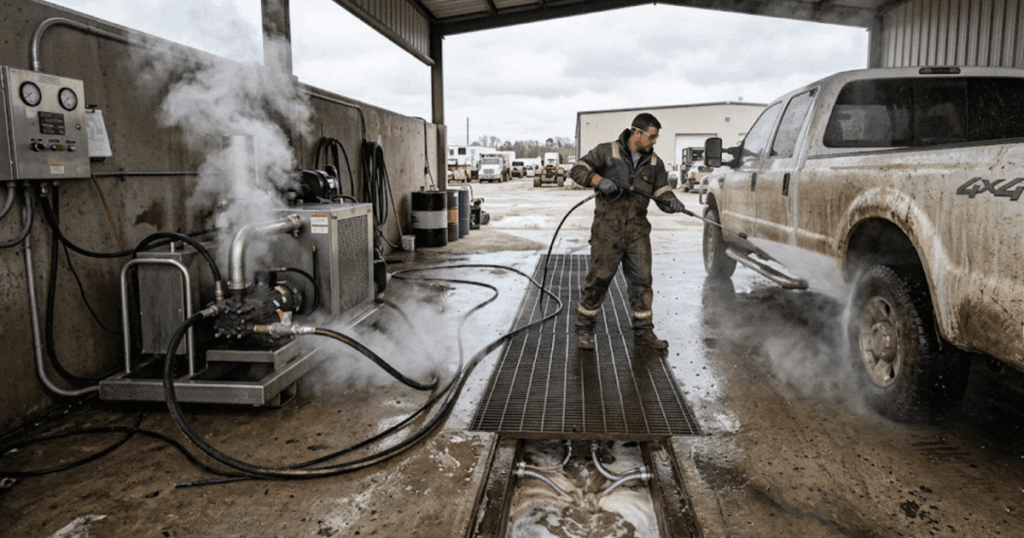
You bring your horse back to the barn after a rigorous late-fall training session. They are sweating, covered in mud, and need a deep rinse before you can safely blanket them for the night. You lead them into the beautifully tiled indoor wash rack, turn the nozzle, and get hit with a blast of ice-cold water.
Within minutes, the water stops flowing down the drain and starts pooling around your boots. The underground drain pipe has frozen shut. You now have a shivering horse standing in a rapidly freezing puddle of mud inside your barn.
When buyers tour luxury horse properties, they often see a concrete stall with a hose and check “wash rack” off their wish list. But a concrete box with a cold-water spigot is useless for six months out of the year in Colorado.
A functional, four-season equestrian wash rack is a highly engineered piece of infrastructure. Here is how to evaluate the plumbing, heating, and drainage of a wash rack before you buy.
Is There a "Wash Rack" With Hot Water and a Drain Heater?
Quick Summary: The Winter Grooming Reality
- The Cold Water Shock: Groundwater in Colorado sits in the mid-40s year-round. Hosing off a hot, sweaty horse with freezing well water in the middle of winter can cause severe muscle cramping and shock.
- The Tankless Demand: A 1,200-pound animal requires a massive volume of water to bathe. Standard residential water tanks run out too quickly. True equestrian wash racks require high-capacity, commercial tankless water heaters.
- The Hair and Mud Trap: Horse hair and heavy clay mud will destroy a standard plumbing system. A wash rack must have an engineered, heavy-duty cleanout trap to prevent catastrophic clogs.
- The Freezing Drain: In sub-zero temperatures, the residual water left inside the drain pipe will freeze solid under the concrete. A four-season barn requires a heated drain line or internal heat tape to prevent the pipes from bursting and backing up into the barn aisle.
A true four-season wash rack is not just a hose in a stall. It is a coordinated system of hot water, drainage, heating, and safe footing built to perform in winter.
1. The Necessity of High-Capacity Hot Water
Hot water in the barn is not a luxury. It is a veterinary and training necessity for soaking abscesses, cleaning wounds, and safely cooling down muscles.
- The Tankless Advantage: Traditional 50-gallon electric water heaters are inefficient for barns. Once you run out of hot water halfway through bathing a horse, it takes hours to recover. You should look for commercial-grade, propane-powered tankless, on-demand, water heaters that provide an endless supply of hot water directly to the wash rack.
- The Mixing Valve: Professional wash racks feature a commercial mixing valve, similar to what is used in a high-end shower. This prevents sudden temperature spikes that could scald the horse if the water pressure fluctuates.
2. The Drain Destination and the Cleanout Trap
A wash rack is only as good as its drain. If you do not know where the water goes, you are inheriting a problem.
- The Septic System Warning: You should never route a horse wash rack drain into your home's residential septic system. The massive volume of horse hair and heavy dirt will quickly bypass the baffles, clog the leach field, and cause tens of thousands of dollars in septic failure.
- The French Drain: The ideal wash rack drains into a dedicated, deep underground French drain, a massive pit filled with large river rock, located far away from the barn foundation.
- The In-Floor Trap: Before the water ever leaves the barn, it must pass through a heavy-duty, removable basket trap set into the concrete. This physical basket catches the clumps of mud, manure, and horse hair so you can throw them in the trash before they enter the underground pipes.
A wash rack drain must be designed for hair, sediment, and heavy flow. If not, the system will clog, back up, or damage other parts of the property’s plumbing.
3. Defeating the Freezing Drain
Winter is the ultimate test of barn plumbing. When the temperature drops below zero, the water trapped inside the U-shaped P-trap of the drain will freeze, expanding and shattering the PVC pipe encased in your concrete floor.
- Heat Tape and Drain Heaters: A true winterized wash rack features commercial electrical heat tape wrapped around the drain pipes below the concrete, or specialized drain-heating inserts. This keeps the ambient temperature inside the pipe just above freezing.
- Overhead Infrared Heaters: Keeping the pipes warm is only half the battle. You have to keep the horse and the wet concrete warm, too. High-end wash racks are equipped with overhead infrared tube heaters. These heaters do not just warm the air. They radiant heat directly down onto the horse's back and the floor, preventing the wet wash rack from turning into a dangerous ice rink.
4. Safe Footing and Proper Grading
Water, freezing temperatures, and 1,200-pound flight animals are a dangerous combination.
- The Concrete Slope: The concrete floor of the wash rack must be heavily scored, textured, and perfectly sloped toward the center drain. If the concrete is flat, water will creep out into the main barn aisle, creating a massive slipping hazard for you and your horses.
- Thick Rubber Mats: Bare concrete is too slick for a wet horse. The wash rack should be lined with thick, interlocking rubber stall mats that provide traction and insulate the horse's hooves from the cold floor.
We Inspect the Plumbing Before You Buy
We do not just admire the tile work; we ask where the pipes lead.
When Mark Eibner and Belinda Seville help you purchase a horse property, we look at the infrastructure with a critical, operational eye. We look for the hot water heater, inspect the drain traps, and ask the sellers exactly how the system is winterized. We want to ensure your daily barn chores remain safe and efficient, no matter how cold the Colorado winter gets.
Contact Us Today to find a working horse property with professional-grade barn amenities.
Browse Active Colorado Horse Properties: Browse Active Colorado Horse Properties that are fully equipped for year-round equestrian care
Frequently Asked Questions (FAQ) About Wash Racks
Can I just use an outdoor wash rack in Colorado?
Yes, but only from late May to early September. Once the autumn freezes begin, an outdoor wash rack becomes a severe slipping hazard and the underground supply lines must be completely drained and blown out with an air compressor to prevent them from bursting over the winter.
How much does it cost to add hot water to an existing cold-water barn?
If you already have water and electricity in the barn, installing a propane tankless water heater, running the gas lines, and plumbing the mixing valves typically costs between $2,500 and $4,500.
What is a boom arm in a wash rack?
A boom is a heavy-duty metal arm attached high up on the wash rack wall that holds the water hose above the horse's head. It is a critical safety feature that prevents the horse from stepping on the hose, tangling their legs, or breaking the nozzle while you are washing them.