
As you start your search for the perfect equestrian estate, you will likely interview several professionals. But here is a fact that might surprise you, not every real estate professional you meet is legally defined the way you might think.
Let us clear up a common misconception. While many people use the terms “real estate broker” and “real estate agent” interchangeably, they mean very different things under state law. If you are preparing to buy or sell a horse property, understanding who is sitting across the table from you is the first step to a successful transaction.
Let us dive into the world of Colorado real estate licensing and uncover the various roles these professionals play in the industry.
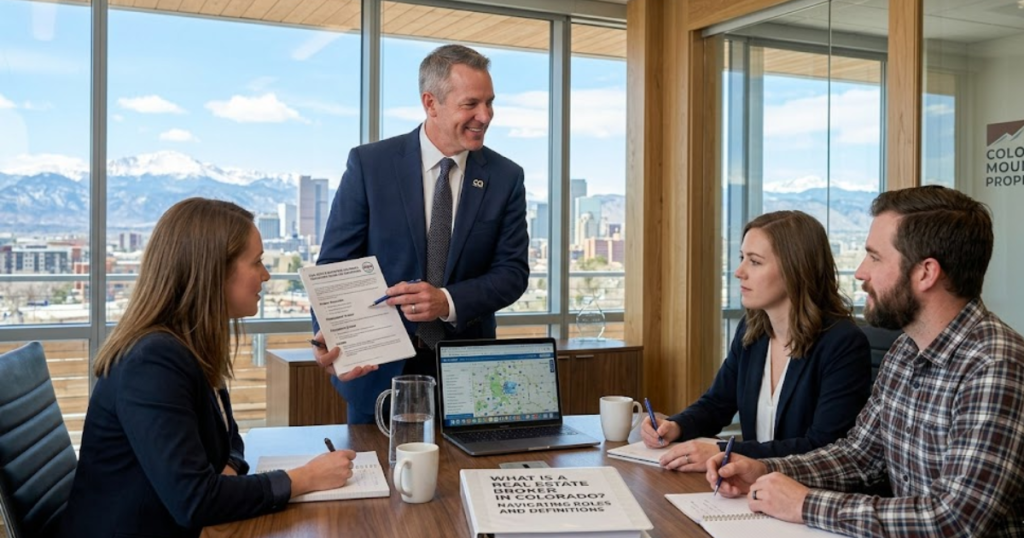
What Is a Real Estate Broker in Colorado? Navigating Roles and Definitions
Quick Summary: The Rural Professional
- Agent vs. Broker: In Colorado, every licensed real estate professional is technically a broker. The term “agent” refers to the role they play in a specific transaction, not their official license level.
- Three License Levels: Colorado issues licenses for Associate Brokers, Independent Brokers, and Employing Brokers, each carrying different levels of authority and independence.
- The Transaction Broker Default: If you do not sign a specific agency agreement, a Colorado broker defaults to a “Transaction Broker,” meaning they act as a neutral facilitator rather than your dedicated advocate.
- Equestrian Expertise: Choosing the right broker is critical when buying horse property. You need an advocate who understands water rights, agricultural zoning, and rural infrastructure, not just standard residential sales.
Colorado licensing terms can be confusing, but understanding who represents you and how they are legally allowed to act is essential before you buy or sell rural property.
1. The Broker vs. Agent Distinction
In many states, a real estate agent works under the supervision of a licensed broker. But Colorado does things differently.
- The Official Title: In Colorado, the state does not officially issue a “real estate agent” license. Every licensed professional is legally a “Real Estate Broker.”
- The Agency Role: The word “agent” simply describes the relationship the broker has with their client during a specific deal. For example, a broker acts as a “Buyer’s Agent” or a “Listing Agent” depending on who they represent.
2. The Three Levels of Colorado Brokers
While everyone is a broker, not all brokers have the same level of authority. The state recognizes three distinct tiers of licensing.
- Associate Broker: This is the entry-level license. An Associate Broker has completed their education and passed the state exam, but they must work under the direct supervision of an Employing Broker for at least two years.
- Independent Broker: After gaining two years of active experience, a broker can upgrade their license. An Independent Broker can work for themselves without supervision, but they cannot hire other brokers to work under them.
- Employing Broker: At the top of the ladder is the Employing Broker. These professionals manage entire real estate offices, train new agents, and are legally responsible for the actions of every Associate Broker working under their license.
3. Wearing the “Agent” Hat
Once a broker is licensed, they can take on different roles depending on the client’s needs.
- The Buyer’s Agent: If you are searching for a mountain retreat or a working farm, your Buyer’s Agent is your dedicated advocate. They help you find properties that match your horse criteria, arrange showings, negotiate the best price, and protect your interests during the intense inspection period.
- The Listing Agent: If you are selling your farm, your Listing Agent is your marketing master. They help you price your equestrian amenities competitively, market the acreage to qualified buyers, and negotiate incoming offers to secure the highest return on your investment.
The same licensed broker can serve in different roles, but the role they take directly affects how much advocacy and negotiation support you receive.
4. The “Transaction Broker” Neutrality
Colorado law features a unique default relationship that surprises many out-of-state buyers.
- The Default Status: If you do not sign a specific written agreement stating otherwise, a Colorado broker defaults to acting as a “Transaction Broker.”
- The Neutral Facilitator: In this role, the broker does not represent the buyer or the seller exclusively. They cannot advocate for your best interests or negotiate on your behalf. They merely facilitate the paperwork and maintain strict neutrality to ensure the transaction closes legally.
- The Written Agreement: To ensure your broker is actually fighting for you, you must sign an exclusive right-to-buy or right-to-sell agency agreement.
We Are Your Dedicated Equestrian Advocates
Whether you are buying or selling, choosing the right professional can make or break your rural experience.
When Mark Eibner and Belinda Seville represent you, we do not just facilitate the paperwork. We act as your dedicated advocates. Colorado equestrian real estate is incredibly unique, so you need to work with brokers who know the area well and understand the complexities of agricultural land. We ensure your transaction is handled with absolute professionalism and specialized rural expertise.
Contact Us Today to partner with brokers who understand the equestrian lifestyle.
Browse Active Colorado Horse Properties: See our marketing strategies in action
Frequently Asked Questions (FAQ) About Colorado Brokers
Can one broker represent both the buyer and the seller?
In Colorado, a broker cannot act as an “agent” for both parties in the same transaction because that creates a conflict of interest. If a broker’s buyer wants to purchase the broker’s listing, the broker must step back and act as a neutral Transaction Broker for both parties.
Do I have to pay my Buyer’s Agent?
Historically, the seller pays the listing broker, who then shares a portion of that commission with the buyer’s broker. However, commission structures are always negotiable, and your broker should explain exactly how they are compensated before you sign a representation agreement.
Why do I need a broker if I am buying raw land for my horses?
Raw land is often more complex than buying a house. A specialized equestrian broker helps you navigate zoning laws, domestic well permits, mineral rights, and access easements, ensuring the vacant land you buy can legally support the barn and horses you plan to put there.