
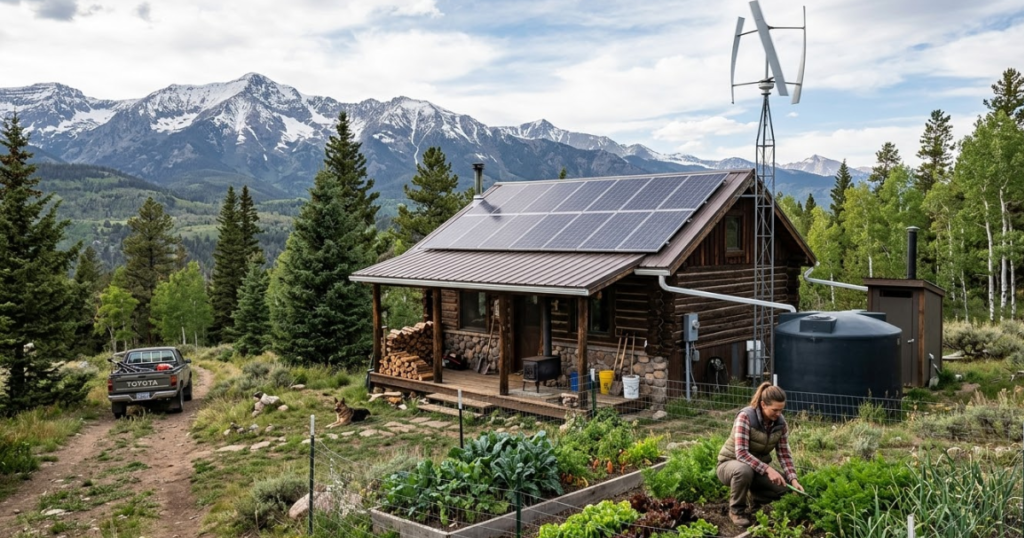
Are you dreaming of a life away from the hustle and bustle, where you are self-sufficient and in tune with nature? Off-grid living in Colorado might be exactly what you are looking for.
Off-grid living means creating a life independent of public utilities. It is about generating your own power, sourcing your own water, and managing your own waste. In Colorado, where rugged landscapes meet modern equestrian aspirations, building an independent homestead has become increasingly popular.
From remote mountain retreats to high desert pastures, each location presents its own set of challenges and opportunities. Before you start building your off-grid barn, it is crucial to understand that self-sufficient living in Colorado requires careful planning and strict adherence to local regulations.
Here are some invaluable tips and rules to consider when embarking on this exciting journey with your horses.
Off-Grid Living Tips and Rules for Colorado Horse Properties
Quick Summary: The Self-Sufficient Homestead
- The Power Grid: Colorado's abundant sunshine makes solar power an excellent choice for off-grid barns and homes. South-facing slopes are ideal for solar panels, while wind-protected areas suit small turbines.
- The 35-Acre Water Rule: Water rights are complex. In Colorado, to qualify for an exempt domestic well that allows for livestock watering, a property typically must be at least 35 acres.
- Waste Management: Off-grid living requires managing your own waste. Most counties require approved septic systems or engineered alternative waste management solutions before you can build.
- Building for the Climate: Colorado's harsh winters require passive solar design and proper insulation to keep your home energy-efficient and your horses safe during extreme temperature swings.
For off-grid horse property, independence only works when power, water, waste systems, and climate design are planned from the beginning.
1. Power Generation: Harnessing Natural Energy
When you are off the grid, keeping the water troughs thawed in January requires reliable power.
- Solar Solutions: Colorado enjoys over 300 days of sunshine per year, making solar power an excellent choice. When evaluating properties, look for south-facing slopes to maximize your solar panel placement for both the house and the barn.
- Alternative Sources: Wind-protected areas can be ideal for small wind turbines. If the property has year-round flowing water, you might have the potential for micro-hydro power.
- The Hybrid Approach: Relying on a single power source is risky during a blizzard. Combining energy sources, along with a heavy-duty backup generator, provides the most reliable power supply for your equestrian facility.
2. Water Sources: The 35-Acre Requirement
Water is the lifeblood of any horse property, and in Colorado, water rights are highly regulated.
- The Well Permit: It is critical to note that in Colorado, to qualify for an exempt well permit that allows for livestock watering, a property generally must be at least 35 acres.
- The Shared Well: Interestingly, one exempt well on a 35-acre parcel can often serve up to three residences, which can be a game-changer if you are building a multi-generational homestead or adding a caretaker's cabin.
- Surface Water: Prioritize properties with existing wells, active springs, or deeded water rights for surface water use. Never assume you can simply divert water from a stream without proper legal rights.
- Testing: Always test the water source for quality and quantity before committing to a property to ensure the flow rate can support your family and your herd.
For horse property, water is not just a utility. It is the foundation of daily operations, animal health, and long-term property usability.
3. Waste Management and Building Considerations
Living off the grid requires you to handle everything your farm produces, while adapting to the environment.
- Septic Regulations: While composting toilets can reduce water usage, most counties in Colorado still require approved septic systems or engineered alternative waste management solutions. Thorough research into county-specific health codes is crucial.
- Climate Adaptation: Colorado's climate can be harsh, with heavy snowfall and extreme temperature swings. When building your off-grid home and barn, use passive solar design principles and heavy insulation.
- Earth-Sheltered Designs: Utilizing the natural landscape, such as earth-sheltered designs, can provide natural temperature regulation, making your structures highly energy-efficient year-round.
4. Navigating the Legal Rules
While Colorado is generally off-grid friendly, it is not a lawless frontier.
- Zoning Laws: Always check county-specific zoning regulations. Some rural areas have minimum square footage requirements for homes or explicitly restrict certain alternative housing types.
- Building Codes: Even remote, off-grid structures must meet county building codes. This ensures safety and directly affects your ability to get property insurance and maintain resale value.
- Property Taxes: Being off the grid does not mean you are off the tax roll. You must still understand your property tax obligations and agricultural zoning requirements.
We Guide Your Off-Grid Journey
Off-grid living offers a unique blend of self-sufficiency and natural beauty, but it is not without logistical challenges.
When Mark Eibner and Belinda Seville help you find an off-grid equestrian property, we evaluate the accessibility, the water rights, and the solar potential. We guide you through the county rules to ensure your land is legally suitable for your off-grid goals and your horses.
Contact Us Today to discuss how we can make your off-grid dreams a reality.
Browse Active Colorado Horse Properties: Explore properties that offer sustainable, independent living
Frequently Asked Questions (FAQ) About Off-Grid Living
Can I harvest rainwater for my horses?
In Colorado, residential rainwater harvesting is strictly limited. Most homeowners are only allowed a maximum of two rain barrels, or 110 gallons total, for outdoor use on the property. You cannot rely on rainwater collection as the primary water source for a herd of horses.
Will off-grid solar run heavy barn equipment?
Yes, provided the system is sized correctly. If you plan to run heavy electrical loads like a heated tack room, multiple tank heaters, or an indoor arena lighting system, you will need a massive, professionally engineered solar array and battery bank.
Are dirt roads maintained in the winter?
Usually, no. If you buy a remote off-grid property, the county will likely not plow your road. You must own heavy equipment, such as a tractor with a snowblower or a plow truck, to ensure you can get feed in and horse trailers out during the winter months.