
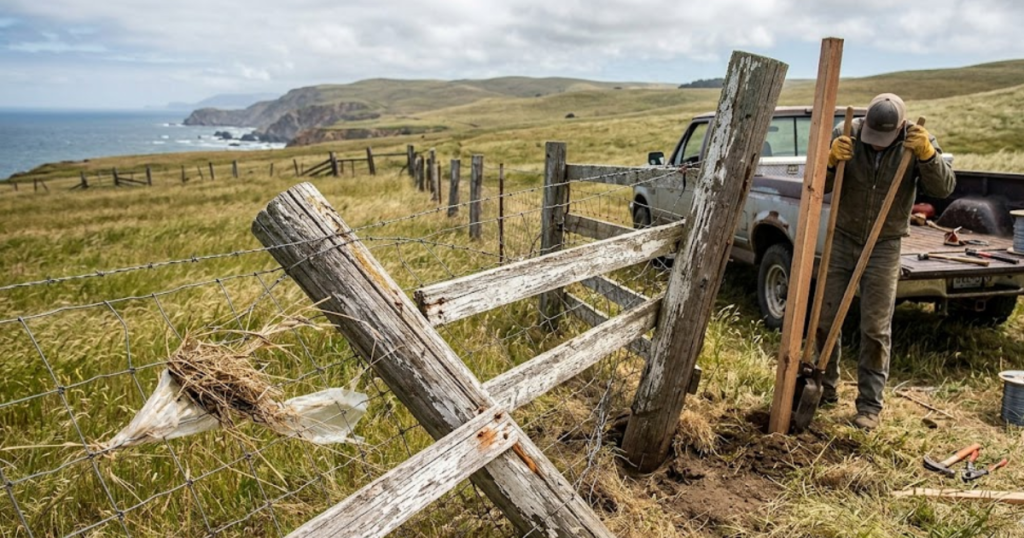
You find a beautiful horse property on the open plains of Colorado. The white vinyl fencing looks picturesque, like something out of a magazine. It perfectly frames the pastures and the barn.
But a few months later, a winter Chinook wind storm rolls out of the foothills with gusts exceeding 60 miles per hour. You wake up the next morning to find sections of your beautiful fence shattered, your horses loose, and a massive repair bill waiting for you.
When buying rural property in the West, you cannot just look at how a fence keeps a horse in. You have to look at how it stands up to the environment. High-wind exposure is a relentless, daily factor on the Colorado plains and in the mountain valleys. It aggressively dictates what kind of fencing you can use and how much time you will spend maintaining it.
Here is how high-wind exposure directly impacts your fence lines and what you need to evaluate before you buy.
How Does "High-Wind" Exposure Affect Fence Maintenance?
Quick Summary: The Invisible Force
- The Sail Effect: Solid or semi-solid fencing acts like a giant sail. Sustained high winds can easily snap wooden posts right at ground level, bringing down entire sections of your pasture.
- The Tumbleweed Trap: Woven wire fences catch blowing tumbleweeds and debris. The accumulated weight, combined with intense wind pressure against the debris wall, can flatten a fence line overnight.
- The Desiccation Factor: Colorado's dry, relentless winds suck the moisture out of wooden posts and rails, leading to rapid splitting, warping, and popped nails.
- The Pipe Rail Advantage: Steel pipe fencing is the gold standard for high-wind areas. It allows the wind to pass through harmlessly, will not desiccate, and easily withstands the physical impact of the elements.
On Colorado horse property, fencing is not just about containment. It has to survive the daily environmental stress of wind, debris, drying, and seasonal storms.
1. The "Sail Effect" on Solid Fencing
You cannot fight the wind; you have to let it pass through.
- The Pressure Point: Solid fencing options are designed for sheltered suburban backyards, not open pastures. In a high-wind zone, a solid fence acts like a ship's sail. It catches the full force of the gale.
- The Breaking Point: The pressure transfers directly to the base of the fence posts. Even if the posts are set in concrete, sustained 50+ mph winds will eventually snap 4x4 wooden posts or shatter hollow vinyl posts right at the soil line.
- The Solution: Pasture fencing must be highly porous. Options like split rail, steel pipe, or smooth wire allow the wind to blow through the gaps, dramatically reducing the structural load on the posts.
2. The Tumbleweed Avalanche
In Colorado, the wind carries more than just air. It carries vegetation.
- The Debris Wall: If you have "no-climb" woven wire fencing, it will act as a massive net for tumbling Russian Thistle (tumbleweeds) and other blowing brush.
- The Weight and Pressure: When hundreds of tumbleweeds pile up against a wire fence, they effectively turn that porous fence into a solid wall. The wind then pushes against that massive wall of brush, putting immense strain on the wire staples and the wooden posts.
- The Maintenance Burden: If you buy property in a high-wind, open-plains area with wire fencing, you must be prepared to manually clear those tumbleweeds off the fence line regularly. If you ignore the pileup, the next windstorm will push the entire fence flat to the ground.
Even a fence that looks fine during a showing may become a maintenance headache if the site is exposed to drifting weeds and seasonal debris buildup.
3. The Drying Power of the Wind
Wind accelerates the aging process of traditional building materials.
- Desiccation: Colorado is already an arid climate, but constant high winds aggressively draw moisture out of wooden fence posts and rails. This rapid drying causes the wood to shrink, twist, and split much faster than it would in a sheltered environment.
- Fastener Failure: As the wood twists and warps from the wind, it actively pulls the nails and screws out of the rails. A fence that looked secure in the summer might have loose, rattling rails by the spring, requiring you to walk the perimeter with a hammer every few months.
4. Choosing the Right Materials for the Environment
If you are buying or upgrading a high-wind property, your material choice is critical.
- Steel Pipe Fencing: This is the ultimate choice for the rural West. Welded steel pipe does not rot, it does not catch tumbleweeds, and it is completely unaffected by the wind. It requires painting occasionally, but the structural integrity is permanent.
- High-Tensile Wire: Coated high-tensile wire is excellent for wind because it has a tiny surface area. It stretches and gives slightly, meaning it can absorb the vibration of a windstorm without snapping.
- Electric Tape Warning: Wide, highly visible electric poly-tape is very popular, but it is a poor choice for windy areas. The wind constantly flutters the tape, causing it to wear out, snap, or short out against the posts. Use electric rope or coated wire instead.
We Inspect the Infrastructure Before You Buy
We do not just look at the acreage, we evaluate how the infrastructure handles the elements.
When Mark Eibner and Belinda Seville help you purchase a horse property, we assess the geographical wind exposure of the pastures. We inspect the existing fencing to see if the posts are set deeply enough and if the materials are appropriate for the local weather patterns. We want to ensure your horses stay safely contained, even when the Colorado winds howl.
Contact Us Today to find a property engineered for the realities of the rural West.
Browse Active Colorado Horse Properties: Browse Active Colorado Horse Properties with durable, wind-resistant fencing
Frequently Asked Questions (FAQ) About Fencing in High Wind
How deep should fence posts be set in high-wind areas?
At an absolute minimum, posts should be set below the local frost line, typically 36 to 42 inches deep in Colorado, to prevent winter heaving. In extreme wind zones, corner posts and gate posts should be driven even deeper and securely set in concrete.
Does vinyl fencing ever work in Colorado?
It can, but it requires heavy reinforcement. Standard hollow vinyl will become brittle in the freezing winters and shatter during a windstorm. If you use vinyl, the internal posts must be reinforced with steel pipes or thick wooden cores, which significantly increases the installation cost.
Can planting trees protect my fences?
Yes. Planting a dense row of hardy, drought-resistant trees like Junipers or Ponderosa Pines creates a natural windbreak. While it takes years to grow, a mature windbreak dramatically reduces the wind velocity hitting your pastures and your barn.