
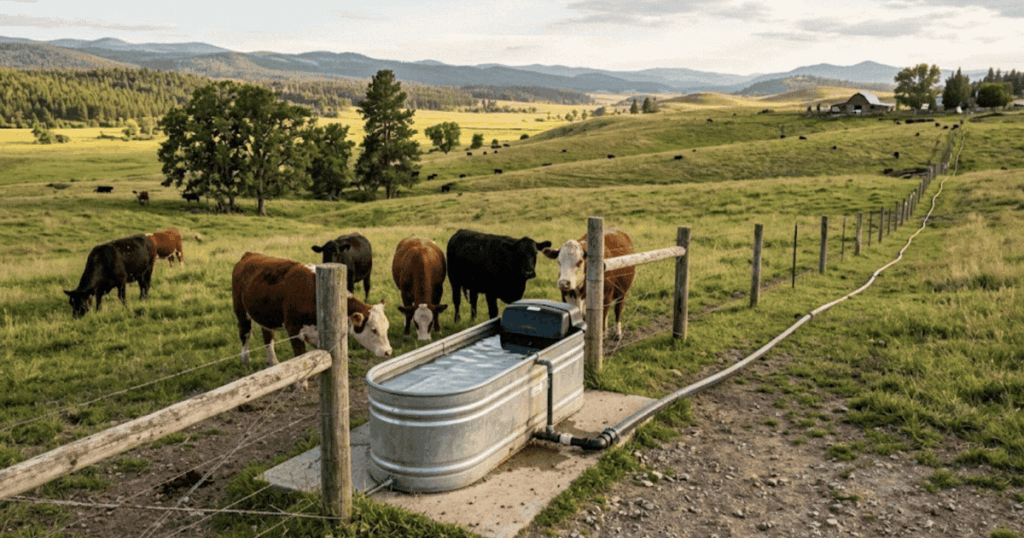
You wake up on a dark, zero-degree Colorado morning. The wind is howling, and the snow is drifting. You bundle up, walk out to the back pasture, and find your horse’s 100-gallon water trough frozen completely solid. You now have to drag a frozen hose hundreds of feet or carry heavy buckets through deep snow just to keep your herd hydrated.
Nothing tests your love for the equestrian lifestyle quite like winter water management.
When touring a sprawling horse property in the middle of a beautiful summer, buyers often look at the distant back pastures and dream of turning their horses out. But they rarely look down at the dirt to see how those horses will actually get a drink. Finding a property with automatic water lines already trenched to the distant pastures is like striking gold.
Here is why existing waterer infrastructure is so incredibly valuable, and how to evaluate it before you buy.
Is There an "Automatic Waterer" Line Already Run to the Back Pastures?
Quick Summary: The Winter Hydration Solution
- The Bucket Burden: Hauling hoses or carrying heavy water buckets through a frozen Colorado pasture in January is the fastest way to burn out on the rural lifestyle.
- The Trenching Expense: Retrofitting a property with underground water lines across rocky, native acreage requires heavy machinery and costs thousands of dollars in excavation fees.
- The Electrical Requirement: A water line is only half the battle. A true winter-ready automatic waterer also requires an underground electrical line run in the same trench to power the internal heating element.
- The Mud Mitigation: High-traffic water stations turn into deep, dangerous mud pits. A properly installed automatic waterer requires a reinforced concrete pad and a French drain system to keep the surrounding footing safe.
On horse property, existing pasture water infrastructure saves labor every day and can prevent expensive, disruptive retrofit work after closing.
1. The Massive Cost of Retrofitting
If a property lacks water lines to the back pastures, you cannot simply bury a pipe with a shovel over the weekend.
- The Frost Line Trench: As we covered previously, Colorado's deep frost line means water lines must be buried between four and six feet deep to survive the winter.
- The Heavy Equipment: Trenching through Colorado's dense clay, sandstone, and river rock requires a massive track excavator. You are paying thousands of dollars for the heavy machinery and the operator's labor before you even buy the plumbing materials.
- The Distance Penalty: The further your pastures are from the well house, the more expensive the trenching becomes. Running a line 500 feet to a back grazing area is a major capital improvement project.
2. The Power and Water Combo
A pipe in the ground does not guarantee liquid water in January. Automatic waterers require power.
- The Heating Element: Modern automatic waterers, such as Ritchie or Nelson brand units, use internal thermostats and electric heating elements to keep the drinking bowl from freezing over.
- The Dual Trench: If you want an automatic waterer to function in the winter, the excavation crew must lay a PVC electrical conduit in the exact same trench as the water line. If you buy a property with a water pipe in the pasture but no electrical conduit running to it, you still have to break ice all winter.
- The Grounding Danger: Water and electricity are a lethal combination. The electrical lines feeding the waterers must be installed by a licensed electrician, securely grounded, and run on a GFCI breaker to ensure a stray voltage leak does not shock your horse when they go to drink.
A real winter-ready pasture water system is both plumbing and electrical infrastructure. Missing either half turns convenience into another chore.
3. The Infrastructure Pad and Drainage
A waterer placed directly on native dirt will quickly become a disaster zone.
- The Mud Bog: Horses congregate around water. The constant stomping of hooves, combined with the inevitable splashing and dripping, will quickly churn the dirt around the waterer into a deep, freezing mud pit.
- The Concrete Apron: A professionally installed waterer sits in the center of a large, reinforced concrete pad. This gives the horses a safe, dry place to stand, preventing bacterial hoof infections and preventing them from undermining the plumbing with their hooves.
- The Drain Field: High-quality installations also feature an underground French drain beneath the concrete pad. When you need to drain and scrub the water bowl, the dirty water flows directly into the gravel bed rather than creating a puddle in the pasture.
4. Evaluating the Existing System
If the real estate listing proudly advertises auto-waterers in all pastures, you must verify their condition.
- The Shut-Off Valves: Every single waterer should have a dedicated, easily accessible shut-off valve buried in a vertical curb stop pipe nearby. If a horse breaks the waterer, you need to be able to shut off the water immediately without shutting down the main well to the house.
- The Insulation Tube: Look beneath the water bowl. The vertical water pipe coming up from the ground should be encased in a thick, insulated earth tube to protect it from freezing before it reaches the heated bowl.
We Inspect the Utilities Before You Buy
We do not just admire the pastures; we evaluate the lifeline that sustains them.
When Mark Eibner and Belinda Seville help you purchase a working horse property, we actively hunt for this hidden infrastructure. We ask the sellers to demonstrate the shut-off valves, we verify the electrical connections, and we help you determine if the back pastures are truly ready for winter turnout. We want your daily chores to be manageable, not miserable.
Contact Us Today to find a property equipped with premium, winter-ready hydration systems.
Browse Active Colorado Horse Properties: Browse Active Colorado Horse Properties that offer convenience and safety for your herd
Frequently Asked Questions (FAQ) About Pasture Water Lines
Can I just use a long, heated hose instead of trenching a water line?
Heated hoses are designed for short distances, like from the barn wall to a nearby bucket. Running hundreds of feet of electrical heated hose across an open pasture is a severe fire hazard, highly inefficient, and horses will eventually step on it or chew through it.
Do automatic waterers save water?
Yes, significantly. Because they only refill the small bowl as the horse drinks, you lose almost zero water to evaporation. More importantly, you do not have to dump out and waste 100 gallons of algae-filled water every week like you do with a traditional trough.
What happens to the automatic waterer if the power goes out?
If the grid fails, the heating element stops working. In sub-zero temperatures, the water in the bowl will freeze solid within a few hours. If you live in an area prone to outages, you must have a backup plan, such as a generator, or be prepared to haul buckets from the house until power is restored.