
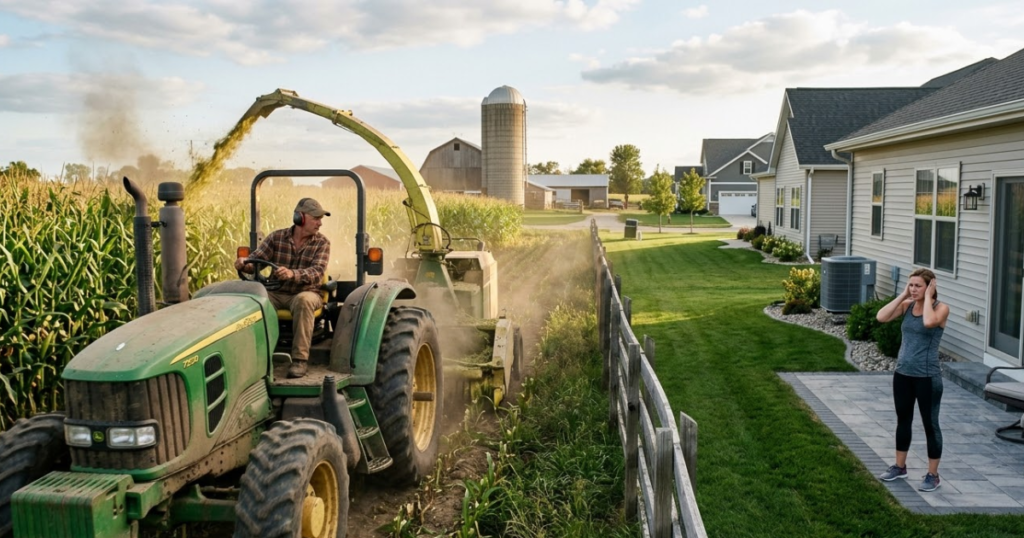
You buy a beautiful equestrian property on the edge of town. You wake up at 6:00 AM, start up your diesel tractor to feed the horses, and head out to drag the riding arena.
An hour later, your new neighbor, who just built a luxury house next door, comes to the fence. They are furious about the noise, the dust blowing onto their patio, and the smell of your barn. They threaten to call the police and file a nuisance lawsuit to shut down your operation.
As Colorado’s population explodes, urban sprawl is pushing deep into traditional ranching territory. The culture clash between rural landowners and new suburbanites is a massive issue. Without legal protection, farmers and horse owners would constantly be sued out of existence by people who want the scenic views of the country without the realities of agricultural life.
This is exactly why the Colorado legislature created “Right to Farm” laws. Here is how these laws protect your equestrian lifestyle and what you need to know before you buy.
Are There "Right to Farm" Laws Protecting Me From New Neighbors' Noise Complaints?
Quick Summary: The Agricultural Shield
- The Nuisance Defense: Right to Farm laws exist to protect working agricultural properties from nuisance lawsuits filed by neighbors who do not understand rural living.
- Covered Complaints: These laws typically protect you from complaints regarding the normal sights, sounds, and smells of a farm, including tractor noise at dawn, arena dust, and manure odors.
- The "First in Time" Rule: Protection generally applies if your agricultural operation was established before the complaining neighbor moved in. A new subdivision cannot force an existing farm to shut down just because the surrounding demographics changed.
- Not a Free Pass: These protections do not allow negligence. You must still follow standard agricultural practices and comply with environmental and health rules, especially regarding manure and water runoff.
Right to Farm protection can preserve your equestrian lifestyle, but it works best when your operation is lawful, established, and managed responsibly.
1. The Purpose of the Right to Farm Act
The state of Colorado recognizes that agriculture is a critical part of the economy and the culture.
The Colorado Right to Farm Act was designed specifically to halt the loss of agricultural resources caused by encroaching residential development. When city dwellers move to the country, they are often shocked by the realities of livestock. The law establishes a legal precedent that agriculture takes priority in rural zones. It effectively tells new residents that if they choose to move next to a farm, they must accept the conditions that come with it.
2. What Specific Activities Are Protected?
Right to Farm laws are designed to cover the inevitable byproducts of keeping large animals and managing acreage.
- Noise: You are protected when operating heavy machinery, such as tractors, balers, and skid steers, during normal working hours. It also covers the natural noises made by your animals, including whinnying horses, braying donkeys, and barking livestock guardian dogs.
- Odors and Dust: The law protects you against complaints regarding the smell of manure, the dust kicked up from your riding arena, and the odors associated with applying fertilizer to your pastures.
- Chemical Applications: As long as you are using legal, approved agricultural herbicides to manage noxious weeds on your property, a neighbor cannot successfully sue you for the spraying process.
3. The "Standard Agricultural Practice" Requirement
While the Right to Farm Act is a powerful shield, it is not a free pass to abuse your land or your neighbors.
To claim protection under the law, you must be employing standard, acceptable agricultural practices. You cannot act negligently. For example, the law protects the normal smell of a well-maintained barn. It does not protect you if you dump a mountain of manure directly on your neighbor's property line and let it leach into their well water. You must still adhere to basic zoning rules, environmental protections, and county health codes.
Right to Farm is a defense for legitimate agricultural operations, not a shield for avoidable pollution, bad management, or conduct outside normal agricultural practice.
4. County-Level Policies and Disclosures
Many rural counties in Colorado have taken the state law a step further to protect their local ranchers.
In highly agricultural areas, such as Weld, Douglas, or Elbert counties, the local government often requires a Right to Farm Disclosure to be signed during the real estate closing process. This document forces the new buyer to legally acknowledge that they are moving into an agricultural zone. It puts them on notice that they will experience farm traffic, smells, and noise, severely weakening any future nuisance claims they might try to file against you.
We Verify Your Legal Protections
We do not just look at the property lines, we look at the zoning protections.
When Mark Eibner and Belinda Seville help you purchase a horse property, we verify the county's stance on agriculture. We check the zoning to ensure your specific equestrian activities are protected by local and state Right to Farm laws. We want you to be able to ride, train, and manage your herd without the constant fear of neighborhood complaints.
Contact Us Today to find a property where your equestrian lifestyle is legally protected.
Browse Active Colorado Horse Properties: Browse properties in strong, agriculture-friendly communities
Frequently Asked Questions (FAQ) About Right to Farm Laws
Does the Right to Farm Act protect me if I only have one personal pleasure horse?
It depends on the county zoning, but generally yes. Even if you are not running a commercial boarding facility, keeping personal livestock on land zoned for agriculture or rural residential use usually falls under these protections, provided you are following the county's animal unit limits.
Can a Homeowners Association (HOA) override Right to Farm laws?
Yes. An HOA is a private contract that you voluntarily agree to when you buy the property. HOA covenants can be, and often are, much stricter than state or county laws. If the HOA says you cannot park a tractor outside or have a manure pile, the Right to Farm Act will not save you from their fines.
What if the county changes the zoning around my farm to high-density residential?
This is where the first-in-time rule is critical. If your property was operating as a horse farm before the surrounding zoning changed and the new houses were built, your agricultural use is typically grandfathered in and remains protected under the Right to Farm Act.