
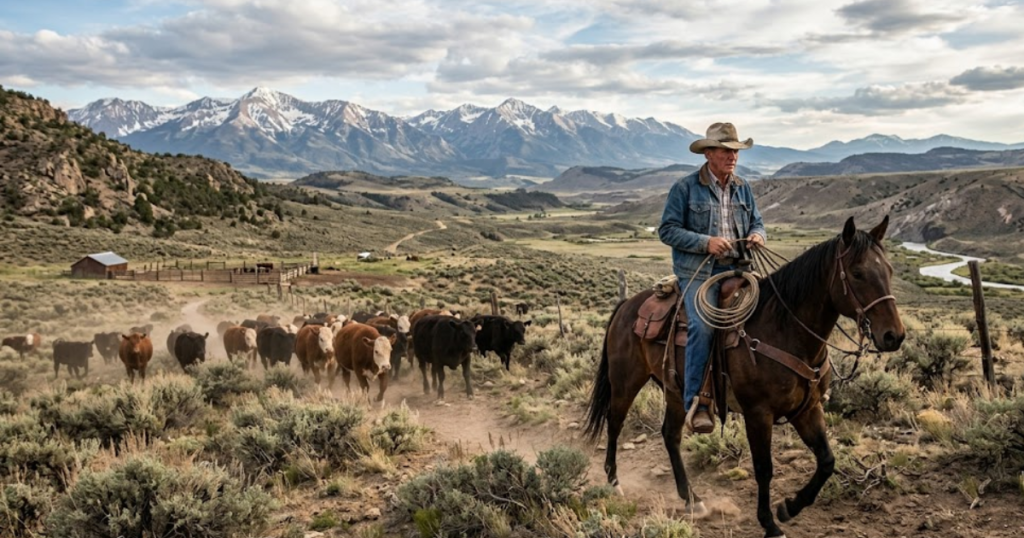
You look out over the rolling pastures of Delta County or the fertile valleys of the Western Slope, and you see the perfect place to build your equestrian dream.
Western Colorado agriculture shapes our region’s identity and economy, and its heritage runs as deep as our irrigation ditches. Whether you are considering purchasing a large working ranch to expand your hay production or a smaller homestead for your personal horses, understanding our unique agricultural landscape is crucial for the success and health of your herd.
Here is what you need to know about navigating the rural land market on the Western Slope.
Western Colorado Agriculture: The Rancher’s Guide to Equestrian Properties
Quick Summary: The Foundation of Your Farm
- The Agricultural Advantage: Western Colorado boasts over 300 days of sunshine, low humidity, and rich valley soils, making it an ideal environment for keeping horses and growing pasture.
- Water is Everything: Understanding Colorado water law, historical water availability, and existing irrigation infrastructure is the most critical step before buying land.
- Location Strategies: Different towns offer distinct benefits. Delta County excels in livestock operations, while Montrose County is a powerhouse for large-scale hay production to feed your herd.
- Infrastructure Evaluation: A true working property requires more than just acreage. You must assess the condition of the fencing, barn storage, and transportation routes for heavy horse trailers.
On the Western Slope, the success of your equestrian property depends on more than scenery. Water, soil, access, and infrastructure all shape the long-term health of your operation.
1. The Heart of Western Colorado Agriculture
Western Colorado agriculture is not just about farming, it is about preserving a way of life. Our region boasts some of the best locations in Colorado for equestrian and agricultural pursuits, thanks to our unique climate and growing conditions.
With over 31.7 million acres of agricultural land across the state, the Western Slope stands out for its diverse growing opportunities and rich farming tradition. What makes our region special for horse owners? It is the perfect combination of:
- 300+ days of sunshine annually.
- Low humidity and minimal pest pressure for your herd.
- Dramatic temperature variations that promote hardy, resilient pasture grass.
- Access to mountain-fed irrigation systems.
- Rich soil composition in the valley floors.
2. Matching Your Herd to the Right City
Different Western Colorado cities offer distinct advantages and agricultural opportunities.
Palisade’s microclimate creates perfect conditions for orchards, but if you are looking for equestrian acreage, you need to look at the broader region. Delta County excels in livestock operations and expansive pastures. Montrose County’s wide valleys support large-scale hay production and traditional ranching, demonstrating why Western Colorado agriculture remains a cornerstone of our equestrian economy.
3. Essential Considerations for Agricultural Property
Before investing in Western Colorado land, you must look beyond the scenic views and consider the operational realities of the farm.
- Water Rights and Infrastructure: You must understand Colorado water law and your property’s specific water rights. Verify the existing irrigation systems, check their condition, and research historical water availability and reliability.
- Soil and Climate Analysis: Evaluate the soil composition and drainage, which is critical for both pasture growth and arena footing. Consider the elevation, the growing season length, and microclimate factors affecting your grass viability.
- Operational Infrastructure: Ranches for sale often come with existing infrastructure, but it is essential to evaluate the condition and placement of the fencing, the storage facilities, and the equipment buildings. You also need to check the access roads and transportation routes to ensure heavy hay delivery trucks and horse trailers can safely enter the property.
4. Finding Your Perfect Equestrian Ranch
Purchasing agricultural property involves finding available land that matches your operational goals with the right property characteristics. When evaluating Western Colorado land for sale, you must consider both your immediate needs and the long-term potential of the farm.
Your agricultural success starts with selecting the right property in the best locations in Colorado. Whether you are interested in growing your own hay, running a commercial boarding operation, or building a private equestrian estate, Western Colorado offers diverse opportunities for land ownership.
The right ranch is not just about size. It is about matching your herd, your goals, and your operational needs with the right combination of water, land, and infrastructure.
We Know the Land and the Lifestyle
We do not just sell houses, we understand the rural way of life.
When Mark Eibner and Belinda Seville help you navigate the Western Colorado agricultural property market, we bring decades of rural real estate experience to the table. We discuss your equestrian goals, evaluate the water rights and infrastructure, and find the perfect property to match your vision.
Contact Us Today to explore available Western Colorado ranches and horse properties.
Browse Active Colorado Horse Properties: Begin your journey into our thriving agricultural community
Frequently Asked Questions (FAQ) About Western Colorado Agriculture
Do I need water rights to keep horses on my property?
You need a legal water source, which is usually a permitted domestic well for watering livestock. However, if you want to irrigate your pastures to grow grass or hay, you will need dedicated agricultural water rights or shares in a local ditch company.
Is the soil in Western Colorado good for pasture grass?
Yes, the valley floors offer incredibly rich soil composition. However, because it is an arid climate, growing sustainable pasture grass almost always requires supplemental irrigation to support the herd.
What is the benefit of low humidity for horses?
Low humidity significantly reduces the presence of biting insects, flies, and fungal skin conditions like rain rot and thrush that plague horses in wetter climates. It also allows your winter hay supply to be stored safely with much less risk of molding.