
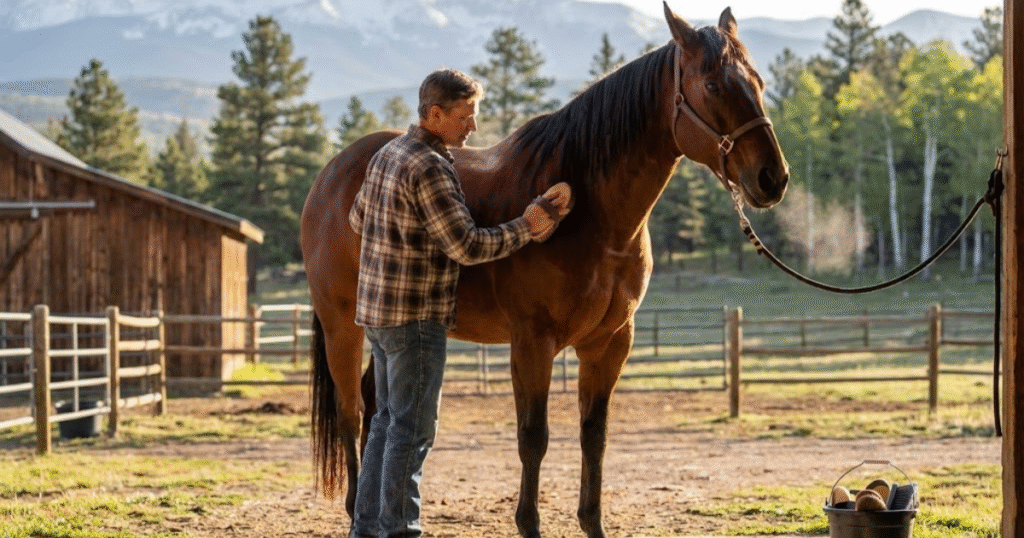
For most owners, a single horse in Colorado costs $8,000 to $10,000 per year. That is the realistic range once you… add boarding, hay, feed, farrier, vet, and the occasional emergency bill.
Colorado is a fantastic place to ride, but it is an expensive place to keep horses. Hay prices fluctuate with drought, boarding space near Denver and Colorado Springs is in high demand, and professional help is not cheap.
What Is a Realistic Estimate of the Cost of Owning a Horse in Colorado?
Quick Summary: The Real Numbers
The Baseline: Expect to spend $8,000 to $10,000 per year for a single horse in a basic boarding situation. This includes board, standard feed, routine vet care, and farrier work.
The Monthly Reality: For a boarded horse, budget $600 to $1,000 per month. If you keep your horse at home, you may get costs down to $300 to $550 per month, but you pay with your labor.
The Colorado Premium: Costs are higher here. Hay is expensive in an arid climate and full care boarding near the cities often starts around $600 and climbs from there.
The Surprise Factor: The true budget breakers are not daily costs but unexpected bills. One emergency vet call or a month of training can add $2,000 or more to your yearly total.
You see the dream of riding through the Rockies and adopting the perfect gelding or mare. Before you sign anything, you need to understand what that lifestyle really costs in Colorado in 2025.
1. The Boarding Bill: Your Biggest Variable
This is where your finances feel the most pressure. Your location and your willingness to do chores drive the numbers.
Full Care near Denver and Morrison
In the western suburbs, a basic full care setup with an outdoor run and hay included typically runs $425 to $550 per month. At larger and more amenity rich facilities, you can see prices climb into the $600 to $700 range or higher.
Self Care near Colorado Springs
If you are willing to feed, muck, and manage your horse yourself, you can save. Self care boarding options in the Colorado Springs area run around $300 per month for the space, while you buy and haul your own feed and bedding.
The Inflation Warning
Board is not a fixed expense. Rising hay costs, labor shortages, and insurance increases mean many barns raise rates at least once a year. If your budget feels tight at $450 today, plan for that number to be closer to $500 next year.
2. Feed, Hay, and Extras
Even if hay is included in your board, there are still feed related expenses that stack up fast.
Hay and Core Feed
If you are doing self care, the total cost of hay, ration balancer, and routine hoof trims can reach $500 to $550 per month. Colorado horses often rely on hay most of the year because pasture is limited.
Senior and Specialty Feeds
Senior horses or those with metabolic issues may need specialized grain. A high quality senior feed can add roughly $1,300 per year to your expenses, depending on the amount fed.
The Little Extras
Fly spray, dewormers, salt blocks, supplements, blankets, and fly masks look small on the invoice but big over 12 months. A realistic budget is at least $100 per month for these consumables and small gear replacements.
3. The Maintenance: Vet and Farrier
These are non negotiable. Skipping hoof care or vaccines is not an option.
Farrier
For trims only, plan on $50 to $60 every six to eight weeks. Over a year, that is roughly $675 to $800. If your horse needs front or full shoes, corrective work, or pads, the cost can double or triple.
Routine Vet Care
Basic vet care includes vaccines, deworming guidance, and dental floats. A realistic range for routine vet work on a healthy horse is $400 to $600 per year.
New or Challenging Horses
If you adopt a Mustang or take on a green or behaviorally complex horse, you may also have to budget for specialized facilities or training barns that can safely handle them. That can push your annual costs significantly higher.
4. The Hidden Costs That Break the Budget
The $8,000 per year estimate assumes your horse stays mostly healthy and cooperative. Reality is rarely that simple.
Emergency Vet Visits
One colic scare, a serious lameness issue, or a pasture injury can result in a $2,000 to $3,000 vet bill in a single weekend. Surgery or hospitalization can go far beyond that.
Training
Professional training in Colorado is expensive. A month of full training board can range from $1,000 to $2,000 depending on the trainer and facility.
Travel and Facilities
If you do not have an indoor arena at your barn, you may haul to better facilities. Haul in fees of $20 to $30 per ride or monthly arena memberships add up over a season of regular riding.
Can You Afford the Lifestyle?
Owning a horse in Colorado is a lifestyle decision as much as a financial one. The numbers are real, but so is the joy if you go in with eyes open.
If you are exploring ways to reduce boarding costs by bringing your horse home, we can help you evaluate properties with the right zoning, water, and layout for self care. If you prefer to board, we can help you find a home close to facilities that fit your budget and riding goals.
Contact Us Today to talk through your equestrian plans and what they realistically cost in Colorado. We can connect the dots between your budget, your lifestyle, and the right property.
Frequently Asked Questions (FAQ) About Horse Costs
Is it cheaper to keep a horse at home or board it?
On a monthly operating basis, keeping a horse at home often looks cheaper because you avoid a boarding fee. However, you have to include the cost of land, fencing, shelters or barns, equipment, and your own time. The savings usually come from trading your labor for someone else’s labor, not from eliminating costs entirely.
How much does hay cost in Colorado?
Hay prices change with weather and supply. In a drought year, the price of a small square bale can jump from $8 to $14 or more. Since many Colorado properties do not provide year round pasture, you are heavily exposed to changes in the hay market.
Why are Mustangs more expensive to keep at first?
Fresh Mustangs from the BLM often require six foot or higher fencing, specialized handling facilities, and experienced trainers. Many standard boarding barns are not equipped for this, so you may have to pay for training board at a specialized facility or invest heavily in your own infrastructure. Those costs are front loaded into the first few years.