
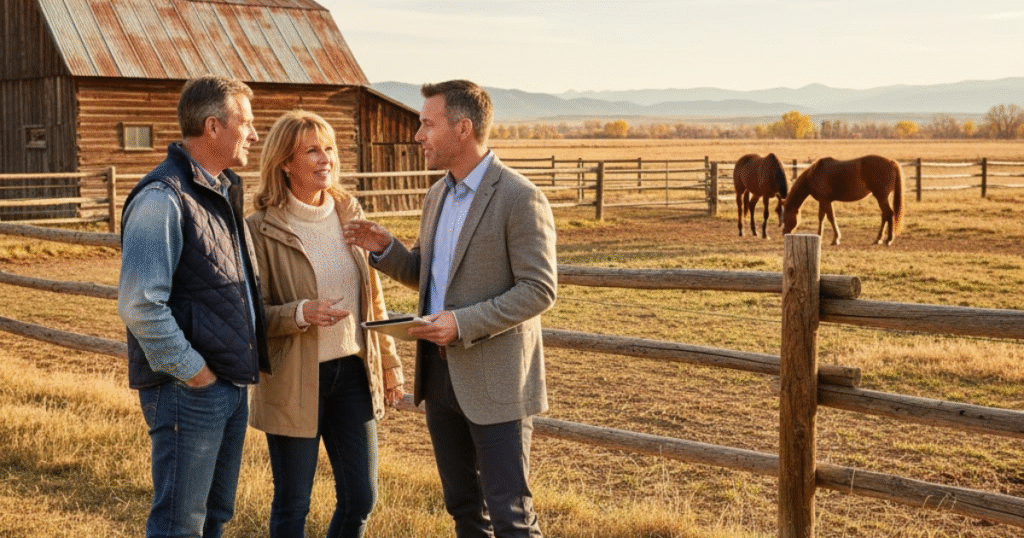
With the rise of remote work and a desire for the outdoors, more people than ever are trading city life… for the dream of owning a horse farm. It sounds idyllic coffee on the porch, horses grazing in the morning mist.
But moving from “horse lover” to “farm owner” is a massive leap. It’s not just a home; it’s an operational facility that requires specific land, significant capital, and 24/7 management.
If you are thinking about making the jump, here is the no-nonsense guide to what it really takes to buy, own, and operate a horse farm.
What Does It Take to Buy, Own, and Operate a Horse Farm?
🐎 Quick Summary: The Reality of Farm Life
- The Ideal Land: Avoid marshy, wooded, or steep land. Look for dry, flat terrain with good soil that can support healthy pasture grass and safe footing for horses.
- Size Matters: While it varies by location, a solid rule of thumb is 2 acres for the first horse and 1 additional acre for every horse after that to prevent overcrowding and overgrazing.
- Costs Add Up Fast: Beyond the mortgage, expect to spend roughly $9,400 per year, per horse on basic care (feed, vet, farrier, tack). This doesn't even include utilities, property maintenance, or emergencies.
- Income Potential: You can make money to offset costs. Popular options include horse boarding, offering riding lessons, hosting photoshoots/events, or renting your facility to equine therapists.
- Location is Key: Don't isolate yourself. Ensure you are close to a feed store and, most importantly, an equine veterinarian for emergencies.
1. Buying: What Kind of Land Do You Need?
You can't just put a horse on any piece of dirt. The land itself dictates your success.
- Terrain: Look for flat, grassy lots. Avoid steep hills or heavy woods where horses can get injured on debris. Most importantly, avoid standing water. Marshy, wet land is a recipe for hoof rot and mosquitoes. You want dry, well-draining soil.
- Zoning: Before you buy, you must check local ordinances. Can you legally have horses? How many? What are the rules for manure storage and drainage? Don't guess—ask a local animal services officer or zoning board.
- Location: Proximity matters. You don't want to drive 45 minutes for a bag of grain. Ensure you are near feed stores and, crucially, a large-animal vet.
2. Owning: How Big Should It Be?
Overcrowding is the enemy of a healthy farm. It leads to mud, disease, and stressed animals.
- The "Golden Rule" of Acreage: While local laws vary, a safe standard is 2 acres for the first horse and 1 additional acre for each horse after that.
- The Buildings: You need more than a house. You need a stable for shelter (essential in winter), a secure place for feed/tack (rodent-proof), and high-quality fencing. If buying raw land, factor in the immense cost of building these from scratch.
3. Operating: The Real Cost of the Dream
Let's talk numbers. Owning the farm is expensive, but running it is a constant financial commitment.
- The Annual Cost: On average, basic care for one horse costs about $9,400 per year.
- $3,500: Hay, bedding, feed, and maintenance supplies.
- $1,500: Health care (vet visits, vaccines, teeth, insurance).
- $4,400: Equipment for both the horse and the rider.
- The "X-Factor": This $9,400/year/horse does not include property taxes, utilities, barn repairs, tractor fuel, or emergency colic surgery. You need a robust emergency fund.
4. Income: Can Your Farm Pay for Itself?
If the costs sound daunting, there is good news: your property can generate revenue. If you are zoned for commercial use, you have options:
- Boarding: Rent out stalls or pasture space to other horse owners. It's steady income, but it comes with the responsibility of caring for other people's animals.
- Riding Lessons: If you have an arena, you can hire a trainer to give lessons on your property, taking a cut of the fee or charging them facility use.
- Equine Therapy: This is a growing field. You can rent your facility to certified equine therapists who need a calm, safe place to work with clients.
- Events & Photoshoots: A beautiful barn is a hot commodity. You can rent your farm for rustic wedding photos, family portraits, or even host small events like farmers' markets (with proper permits).
Ready to Start Your Farm Search?
Buying a horse farm is one of the most complex real estate transactions you can make. You need to evaluate soil, zoning, water rights, and barn structural integrity.
Don't do it alone. Our team specializes in equestrian properties. We can help you find land that is safe for horses, legal for your business ideas, and situated in a location that protects your investment. Contact Us Today to discuss your vision for a horse farm.
Frequently Asked Questions (FAQ) About Horse Farms
Can I turn any property into a horse farm?
No. Local zoning laws strictly dictate where horses can be kept. Even if a property looks perfect, it might be zoned "Residential" with a ban on livestock. Always verify zoning before making an offer.
What is the most important investment for a horse farm?
Fencing. Good fencing keeps your horses in and predators out. It is the #1 safety feature on your farm. Do not cut corners here; invest in high-quality, safe fencing like wood, vinyl, or no-climb mesh.
Do I need a special license to board horses?
Often, yes. Boarding horses is considered a commercial business. You may need a commercial kennel/stable license, a special use permit from the county, and commercial liability insurance to protect yourself.